


At home, some days can feel more overwhelming than others.
A child who suddenly becomes restless, another who gets frustrated quickly, or moments when everything feels too loud, too bright, or simply too much.
In those moments, it is not necessarily a tantrum or refusal. Sometimes the brain is simply receiving too much sensory information at once.
Creating a sensory space at home can make a big difference.
This space gives your child a place to slow down, regain their calm and regulate their emotions before returning to their activities more peacefully.
The good news is that you do not need a large home or a big budget to create an effective and calming sensory space.
What Is a Sensory Space?
A sensory space is a dedicated area that supports your child’s sensory and emotional regulation.
It is a small space where a child can go voluntarily to:
- calm down
- reduce sensory overload
- regulate their emotions
- regain their optimal energy level
Rather than being a punishment or isolation area, it is a supportive tool that helps children better understand and manage what they are feeling.
A sensory space gently stimulates the senses without creating additional overload.
The Benefits of a Sensory Space at Home
A sensory space can have many positive effects on everyday family life.
It can help:
- reduce anxiety and sensory overload
- improve focus and attention
- support emotional regulation
- encourage a return to calm
- strengthen a child’s sense of safety
These sensory breaks can often prevent meltdowns and help children regain emotional balance more quickly.
Over time, many children also learn to recognize when they need a sensory break on their own.
The 7 Senses to Support in a Sensory Space
An effective sensory space can gently and appropriately stimulate different senses.
Sight
Visual elements can help children calm down and focus their attention.
Sensory lamps, timers, or sensory bottles are often very engaging.
➡ Discover sensory tools for sight
Hearing
Some children are very sensitive to noise, while others benefit from calming sounds.
Soft music or protective earmuffs can help reduce auditory overload.
➡ Explore sensory tools for hearing
Touch
Exploring textures or manipulating objects can help regulate the nervous system.
Smell
Certain scents can create a calming atmosphere.
➡ Discover sensory tools for smell
Oral Motor
Some children regulate themselves by chewing or blowing.
➡ Explore oral motor sensory tools
Proprioception
This sense allows the brain to understand where the body is in space.
Weighted items or resistance activities can be especially calming.
➡ Discover sensory tools for proprioception
Vestibular System
This sense is related to balance and movement.
Gentle movement can help children regulate their energy levels.
➡ Explore sensory tools for the vestibular system
How to Create a Sensory Space at Home
1. Choose a Calm Area
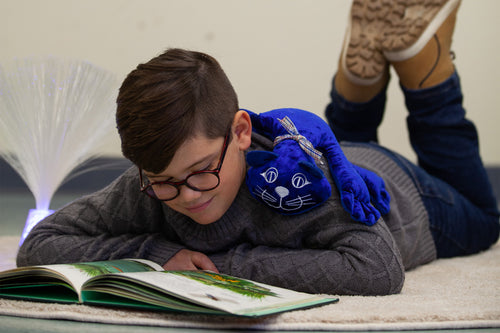
A corner of the living room, a small tent, a rug in the bedroom, or any quiet space can work well.
The key is that your child can step away from noise and distractions.
2. Create a Comfortable Environment
Add a few simple elements:
- a soft rug or pillows
- gentle lighting
- a small tent or curtain
- a pouf or comfortable chair
The goal is to create a safe and soothing space.
3. Add a Few Sensory Tools
A few simple tools can be enough:
This allows your child to choose what helps them the most.
4. Keep the Space Simple
A sensory space that is too full can become stimulating rather than calming.
Start with a few items and adjust based on your child’s needs.
5. Explain How to Use the Space
Take time to show your child how the space works. Explain that this area is there to help them calm down and feel better. Over time, many children learn to use it independently.
A Simple Starting Point
If you are not sure where to begin, sensory kits can offer a helpful starting point.
These kits bring together tools that stimulate different senses and make it easier to create a sensory space at home.
They can also help parents discover which types of sensory input work best for their child.
A Small Space That Can Make a Big Difference
A sensory space does not need to be perfect.
What matters most is offering your child a place where they can slow down, breathe and regain their balance.
Over time, this space often becomes a valuable refuge during more challenging moments.
And sometimes, just a few minutes in this space can completely change the course of the day.











Leave a comment